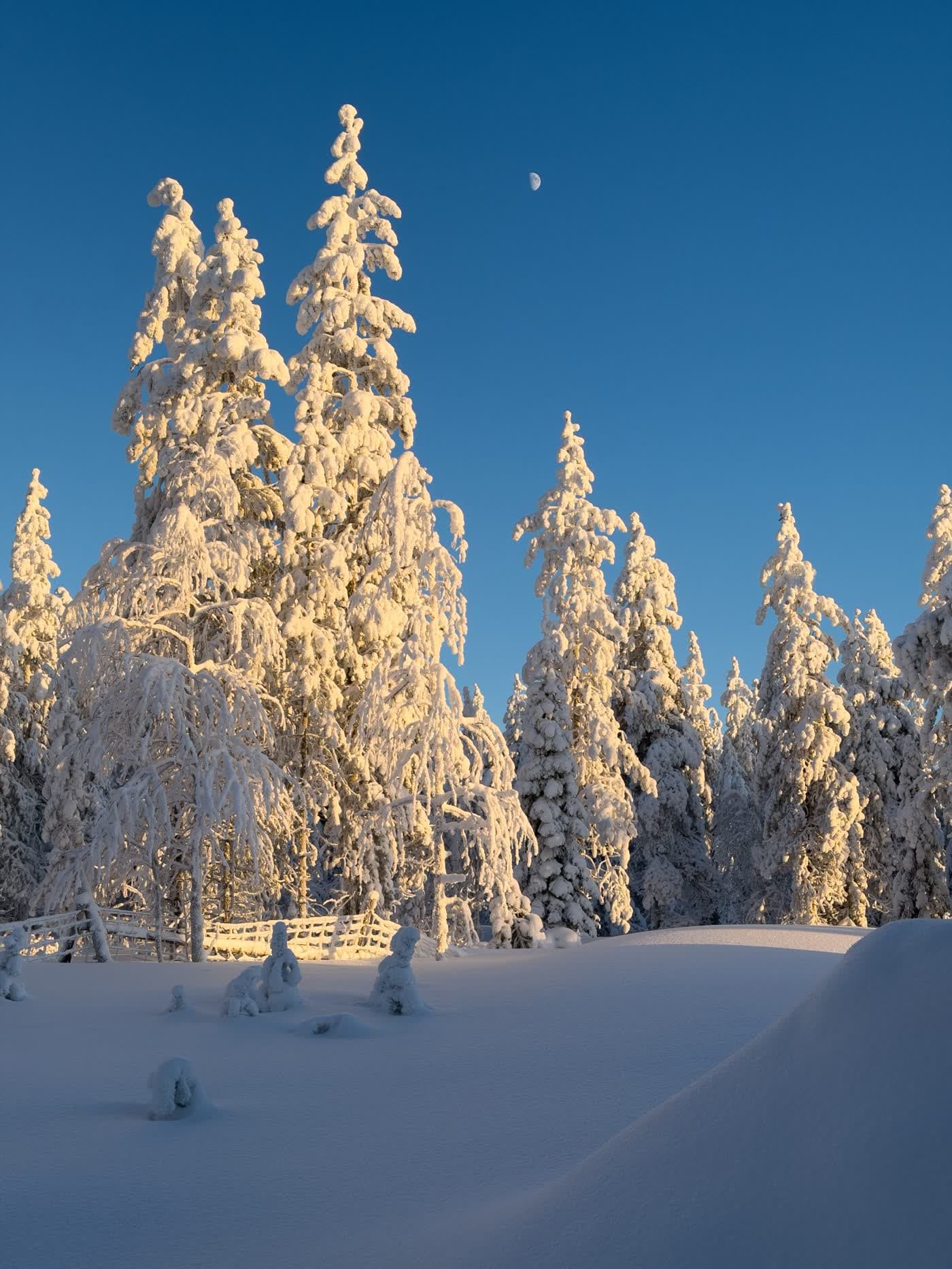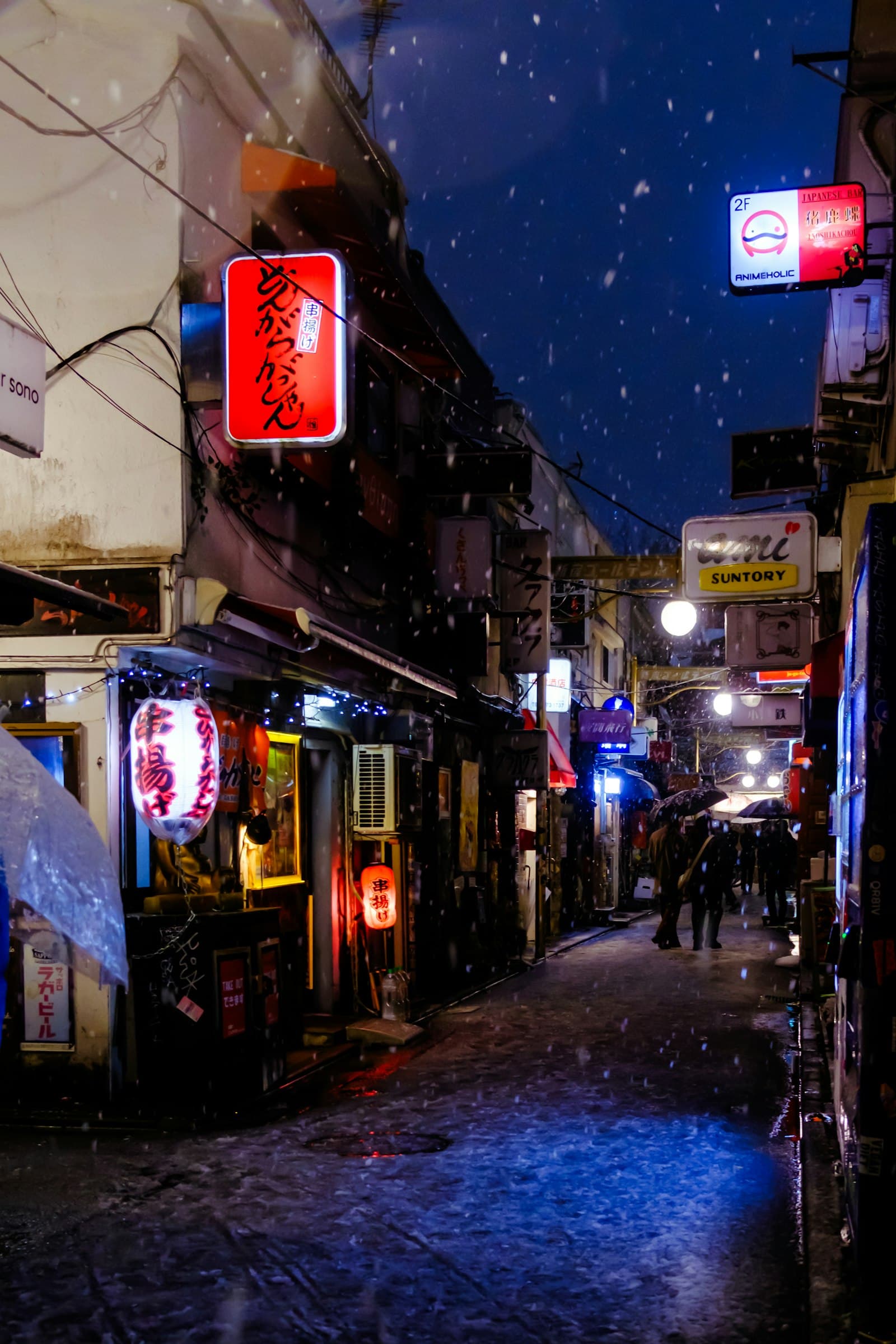
Winter in Japan runs from December to February. Outside the New Year holidays it is one of the quieter seasons for city trips to Tokyo and Kyoto, with clear skies, winter illuminations, hot springs and powder snow in the north. The one window to plan around is the New Year holiday, from late December to early January, when many businesses close for several days and domestic travel peaks (JNTO). The other two busy periods of the year are Golden Week (late April to early May) and Obon (mid-August). The US State Department keeps Japan at Level 1, "exercise normal precautions".

Photo: Fumiaki Hayashi on Unsplash (Unsplash)
Key facts for winter 2026–27
| What | Status | Detail |
|---|---|---|
| Winter season | ✅ Official (JNTO) | December to February: snow scenery, New Year traditions and hot springs |
| New Year holidays | ✅ Official (JNTO) | Late December to early January; many businesses close for several days |
| Other peak holiday periods | ✅ Official (JNTO) | Golden Week (late April – early May) and Obon (mid-August) |
| Coldest months | ⚠️ Probable | Usually January and February; the north (Hokkaido, Tohoku) is much colder and snowier than Tokyo and Kyoto |
| US State Department advisory | ✅ Official | Level 1, exercise normal precautions (issued May 15, 2025; checked Oct 28, 2026) |
| Spain MAEC recommendations | ✅ Official | No specific restrictions (current as of Oct 28, 2026; updated Jun 18, 2026) |
7-day itinerary (example: Mon Jan 11 – Sun Jan 17, 2027)
Chosen after the New Year closures, so shops, temples and restaurants run normal hours.
Arrive in Tokyo
- All daySettle in near a major station (Shinjuku, Tokyo or Ueno) to make train days easier.
- EveningShinjuku and the small bars of Golden Gai.
- All day
Traditional Tokyo
- MorningAsakusa and Senso-ji in the morning, then the Ueno museums.
- EveningA winter illumination (venues and dates are published by each organiser; probable until announced).
- Morning
Modern Tokyo
- All day: Meiji Jingu, Harajuku and the Shibuya crossing; Tokyo Tower or another viewpoint at sunset, when winter skies are often clear.
Day trip for snow or hot springs
- Option AHakone for hot springs and, on clear days, views of Mt. Fuji.
- Option BA mountain area north of Tokyo for snow (probable; check the line and weather).
- Option A
Shinkansen to Kyoto
- Afternoon: In Higashiyama: Kiyomizu-dera and the old lanes.
Kyoto temples
- Morning: Fushimi Inari early, then Arashiyama. If it snows, Kinkaku-ji in white is one of Kyoto's classic images.
Nara or departure
- All day: Half-day trip to Nara, or return to Tokyo or Osaka (Kansai) for your flight.
Lets2Go angle: quieter winter Japan, solo and on day trips
- Travel in the gap: mid-January to February, after the New Year closures, avoids all three peak holiday periods JNTO lists.
- Solo-friendly: Tokyo and Kyoto work well alone; trains link every stop in this plan, so you don't need a car or a group tour.
- Day trips out of the crowds: Hakone, Nara or a snow area north of Tokyo give you a quieter day between the big-city stops.
Safety and practical tips (official sources)
- Advisories: US State Department, Level 1 "exercise normal precautions" (May 15, 2025). Spain's MAEC lists no specific restrictions (current Oct 28, 2026). Check both again before you travel.
- Holiday hours: in the New Year period, check each venue's opening days; JNTO notes some services may be reservation-only in peak periods.
- Snow regions: in Hokkaido and the mountains, trains and flights can be delayed by snow; leave a buffer day.
- Combine it: many winter travellers add Seoul or Singapore; for northern lights instead of temples, see our Lapland winter guide.
FAQ
When is winter in Japan?
Winter in Japan runs from December to February, according to the Japan National Tourism Organization. It brings snow in the north and in the mountains, New Year traditions and hot-spring season, while Tokyo and Kyoto usually have cold, clear days.
Is Japan very cold in winter?
It depends on the region. January and February are usually the coldest months, and Hokkaido and northern Japan are much colder and snowier than Tokyo, Kyoto or Osaka, so pack for the region you'll visit.
When to avoid a trip to Japan?
The busiest periods are the New Year holidays (late December to early January), Golden Week (late April to early May) and Obon (mid-August). Domestic travel peaks, transport fills up and, at New Year, many businesses close for several days.
Is it good to go to Japan during winter?
Yes, especially for city trips and snow. Outside the New Year holidays, Tokyo and Kyoto are calmer than in spring or autumn, winter skies are often clear, and you can add hot springs or a ski area in the north.
Plan your winter trip to Japan
Lets2Go is built for seasonal and off-peak trips like this one. Build your Tokyo, Kyoto and day-trip days with the free AI trip planner for your Japan winter trip: an editable day-by-day itinerary, bookable experiences and a 3D map. Take it with you, even offline, on the App Store or Google Play.
Sources
- Japan National Tourism Organization (JNTO), Winter, checked Oct 28, 2026: https://www.japan.travel/en/gc/when-to-go/winter/
- JNTO, Business hours and holidays (New Year, Golden Week, Obon), checked Oct 28, 2026: https://www.japan.travel/en/plan/business-hours-and-holidays/
- US Department of State, Japan Travel Advisory (Level 1, issued May 15, 2025), checked Oct 28, 2026: https://travel.state.gov/en/international-travel/travel-advisories/japan.html
- Spain MAEC, Recomendaciones de viaje: Japón (current Oct 28, 2026; updated Jun 18, 2026), checked Oct 28, 2026: https://www.exteriores.gob.es/es/ServiciosAlCiudadano/Paginas/Detalle-recomendaciones-de-viaje.aspx?trc=Japon