
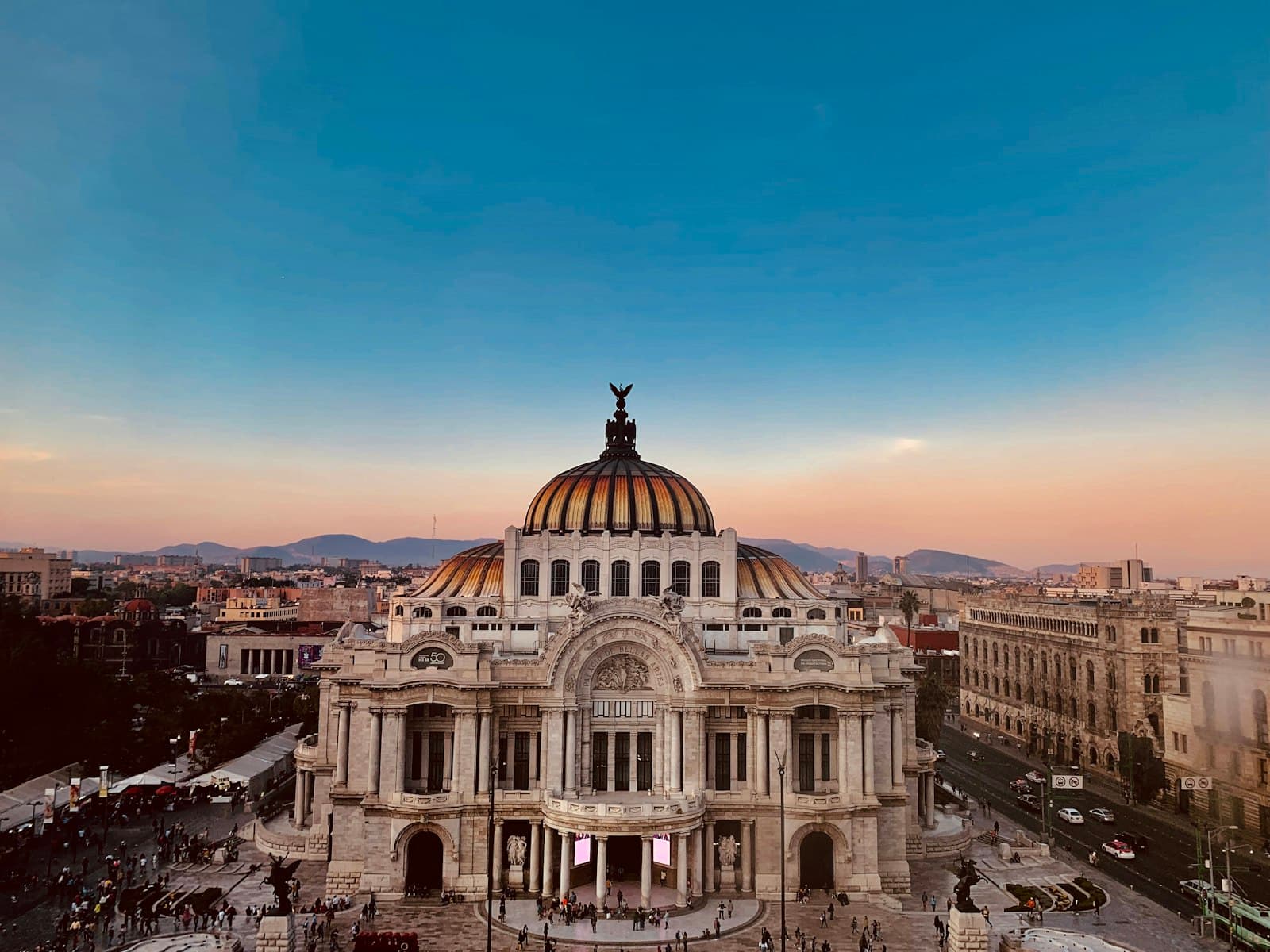
Photo by Carlos Aguilar on Unsplash
If you're going to Mexico City for Day of the Dead, forget about the perfect Catrina face paint and worry about Monday, November 2. That's the big day, and it's a Monday, which is exactly when Casa Azul (Museo Frida Kahlo) is closed. I learned to put Coyoacán on another day and save Monday for altars and cemeteries.
This is the complete, full-week version of a Mexico City trip: seven days, not a quick sampler. Mexico City (CDMX) rewards the time: colonial Centro, leafy Roma and Condesa, village-feel Coyoacán, world-class museums in Chapultepec, and at least one big day trip—Teotihuacán’s pyramids, Xochimilco’s canals, or a longer run to Puebla or Toluca. This guide is a generatable, editable skeleton: keep the neighborhoods, swap the pace, then lock experiences when they fit. Only have 4 days? See our 4 days in Mexico City itinerary.
Day of the Dead 2026: it's celebrated on November 1 and 2, 2026 (Sunday and Monday). The Grand Day of the Dead Parade is probably on Saturday, October 31, along Paseo de la Reforma to the Zócalo. For the full calendar and a 4-day plan, see our Day of the Dead in Mexico City 2026 guide.
Plan your week, then customize: generate a Mexico City itinerary at create your free itinerary, add bookable experiences on Lets2Go when available, and sync offline in the Lets2Go iOS app or Android app. For how AI planning helps (and what “free itinerary” actually means), see Best AI trip planner 2026 or How to plan a trip with AI.
See the route before you go
Travel Movie · 3D · 1:43
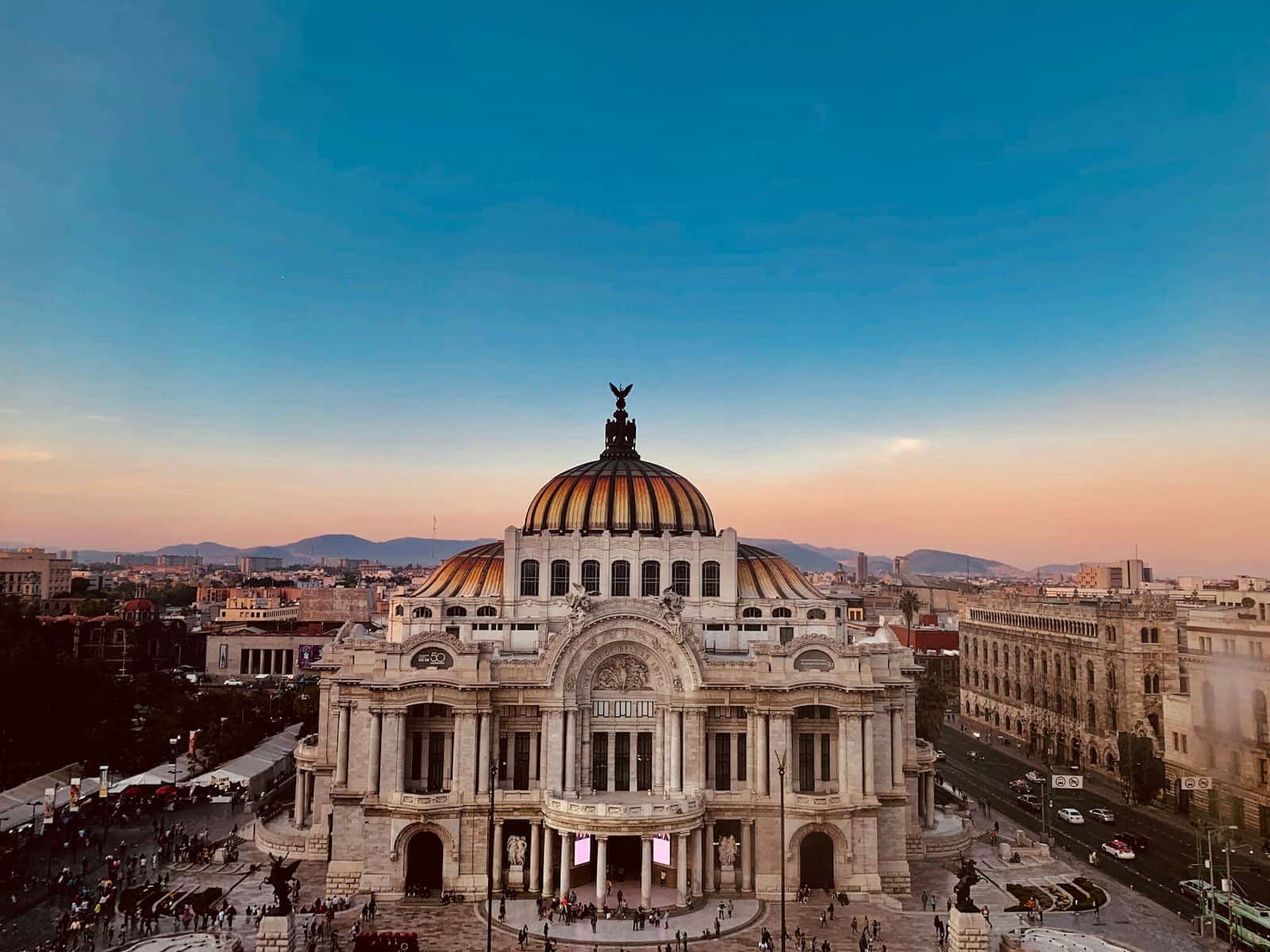
Illustrative route. Confirm times, closures and access before you go.
Who this is for / pace options
| Traveler | Suggested pace |
|---|---|
| First-timers | One major zone per day + one hard day trip (Teotihuacán). Don’t stack three museums after pyramids. |
| Food-first | Base in Roma/Condesa; keep Day 7 as markets + a guided food walk; leave buffet mornings flexible. |
| Culture / museums | Prioritize Anthropology + Centro murals; pick Puebla over Xochimilco if you’d rather churches and mole than trajineras. |
| Couples / slow | Roma–Condesa walks, Coyoacán plazas, Chapultepec green time; Uber between distant boroughs instead of Metro rush hour. |
| Families | Xochimilco + parks over late nightlife; buy Casa Azul tickets ahead and start Teotihuacán early; build nap/buffer into Day 7. |
Altitude note: CDMX sits at about 2,240 m (about 7,350 ft) above sea level (INEGI). Day 1 should be walkable Centro or neighborhood orientation—not pyramids at noon.
Entry & documents (short note only)
Requirements depend on nationality. Mexico does not issue tourist visas at the border. By air, you don’t fill in a paper tourist card: INM says the Multiple Immigration Form (FMM) is generated digitally (FMMd) when the immigration officer admits you at an international airport; the paper FMM applies only to land entries. Always verify before you fly:
- INM — countries that require a Mexican visa
- INM on gob.mx — Forma Migratoria Múltiple Digital (FMMd), entry by air
- ANAM — passenger entry information
This article does not republish full visa or FMM how-tos—check official sources for your passport.
Neighborhood base guide
Pick one hotel/Airbnb base for the week unless you love packing twice.
| Base | Best if you want… | Trade-off |
|---|---|---|
| Roma Norte / Condesa | Cafés, parks, dinner walks, easiest “come home happy” vibe | Few big monuments on your doorstep; you’ll transit to Centro and Coyoacán |
| Centro Histórico | Zócalo, Bellas Artes, mural days on foot | Noisier nights; dinner scene thinner than Roma |
| Polanco | Comfort hotels, Chapultepec / Anthropology proximity | Feels more polished; nightlife and indie food denser in Roma |
| Coyoacán | Village plazas, Frida-area vibes | Longer hops to Centro and Teotihuacán departure points |
Lets2Go default for most first-timers: Roma Norte or Condesa—central enough for Metro/Uber, strong evening options, and a calm base after crowded days.
Day-by-day: 7 days in Mexico City
Centro Histórico (orientation day)
Watch day 1Ease in after travel. Walk the Zócalo, Catedral Metropolitana, and the exterior/ruins of Templo Mayor. Continue toward Palacio de Bellas Artes and Alameda Central. If energy remains, peek at Diego Rivera murals in public buildings with published visiting hours (Palacio Nacional when open to visitors—confirm schedules).
Roma Norte & Condesa (neighborhood immersion)
Watch day 2Treat this as a walking + food day. Roma Norte: tree-lined blocks, galleries, coffee, and Mercado Medellín energy if you like markets. Cross into Condesa via Parque México and Avenida Amsterdam’s oval—Art Deco apartments, dog walkers, and park benches for a reset.
Coyoacán (Casa Azul & plazas)
Watch day 3Head south for cobblestones and plaza life. Museo Frida Kahlo (Casa Azul) is the headliner—buy tickets before you land on the official ticket site, not from resellers. The museum is closed on Mondays (official site). It opens Tuesday and Thursday to Sunday from 10:00 a.m. to 6:00 p.m., and Wednesday from 11:00 a.m. to 6:00 p.m., so don’t schedule this day for a Monday (including November 2 if you come for Day of the Dead). Pair with Jardín Centenario / Plaza Hidalgo, the parish church, and Mercado de Coyoacán for tostadas and juice (choose busy stalls; use normal street-food judgment).
Teotihuacán day trip
Watch day 4Full day outside the city; travel time depends heavily on traffic. Arrive early for light and thinner crowds. As of 28 Sep 2026, INAH lists the site as open Monday to Sunday, 8:00–17:00, last entry 16:30 (INAH zone page). Focus on the Avenue of the Dead axis, Pyramid of the Sun and Moon viewpoints, and museum context if open. INAH announced on 21 April 2026 that access to the Pyramid of the Moon remains closed until further notice (INAH bulletin, 21 Apr 2026). Climbing rules and ticket systems change—confirm current access on INAH / official Teotihuacán channels before you go.
How to go: Licensed guided tour (transport + context) vs. public bus + DIY. Tours reduce decision fatigue for first-timers.
Pace tip: Bring water, sun protection, and cash/card backups; return by mid-afternoon and keep dinner light.
Optional combo: Some tours add Basílica de Guadalupe—only if you want a long day, not a rushed checkbox.Chapultepec & Polanco
Watch day 5Morning at Bosque de Chapultepec: prioritize the Museo Nacional de Antropología, open Tuesday to Sunday, 9:00–18:00 and closed on Mondays (INAH). We suggest giving it a full morning; it is a deep museum, not a quick photo stop. Add Castillo de Chapultepec if legs and tickets allow. Afternoon in Polanco for a calmer walk, park edges, and a sit-down meal—Soumaya/Jumex are optional add-ons if you still want galleries.
Choose one: Xochimilco or Puebla or Toluca
Watch day 6Option Vibe Best for Xochimilco Trajinera boats, canals, weekend energy Families, photos, lighter culture day Puebla Colonial center, churches, mole, Cholula nearby Food + architecture day-trippers Toluca / Nevado area Highlands, Cosmovitral, mountain air (conditions vary) Travelers who already did canals or want altitude scenery Generate the day that matches your group at build your day-by-day plan—Xochimilco vs Puebla is exactly the kind of fork AI itineraries should ask you about.
Buffer, markets & food tour day
Watch day 7Leave white space. Revisit a favorite café street, hit Mercado de Jamaica (flowers) or a neighborhood market you skipped, shop small gifts, or take a guided food tour if you want structure without another museum. Use leftover hours for luggage, airport timing, and one last Roma/Condesa walk.
Food highlights
CDMX’s food culture is the trip—not a scored list. Sample across formats:
- Street & markets: tacos al pastor, quesadillas, tostadas, fresh juice, and market counters with high turnover.
- Neighborhood dining: Roma and Condesa for contemporary Mexican and global tables; Polanco for polished evenings; Coyoacán for plaza-side casual.
- Classics to explore by name (verify hours yourself): long-loved spots and chef-driven restaurants appear constantly in press lists—treat any “best of” as a starting point, not an award from Lets2Go.
- Drinks: café culture is strong; pulquerías and cantinas are part of the social map—go with locals’ guidance and normal nightlife caution.
If you want a curated tasting evening, book a food experience when available on Lets2Go rather than chasing a static “#1 taco” claim.
Getting around: Metro and Uber
Metro (STC): Extensive, color-coded lines; useful for Centro, Chapultepec/Polanco axes, and southbound hops toward Coyoacán/Universidad. Official visitor guidance: Using the Metro — Mexico City. Expect crowds at weekday peaks; keep bags in front; on most trains the front cars are reserved for women and children—follow the platform markings. Contactless payment and the Integrated Mobility Card (MI) are part of the current system—confirm fare details on official CDMX channels the week you travel.
Airport (AICM): For first arrival with luggage, many travelers prefer AICM-authorized taxis, paid with a ticket under the airport’s taxi operating rules (AICM)—not curb touts. If you use a ride-hailing app, follow the pickup instructions shown in the app. Metro/Metrobús can work with light bags and daylight confidence; they are a poorer match right after a long-haul flight.
Uber / DiDi in the city: A practical option between Roma, Polanco, Coyoacán, and Xochimilco when Metro transfers feel heavy. Verify plate/driver in-app; share trip status at night; allow extra time in rain and rush hour.
Between boroughs: Walking is excellent inside Roma–Condesa–Centro clusters; treat Coyoacán, Xochimilco, and Teotihuacán as planned transit blocks, not casual strolls from your hotel.
Safety (high-level — check official advisories)
Visitors enjoy CDMX’s core tourist neighborhoods with ordinary big-city awareness: stick to well-trafficked areas at night, use registered transport, and watch belongings in Metro crowds. Crime and conditions vary by state and municipality across Mexico—read your government’s advisory before and during travel, not only blog summaries:
- U.S. State Department — Mexico travel advisory (and the broader Travel Advisories hub)
- UK FCDO — Mexico travel advice
- Canada — Travel advice and advisories for Mexico
This guide is not alarmist and not a substitute for official, location-specific guidance. Ask your hotel about current street-level tips for evening walks in your exact colonia.
FAQ
Is 7 days enough for Mexico City?
Yes, for a strong first visit. A week covers the Centro Histórico, Roma and Condesa, Coyoacán, Chapultepec with the Anthropology Museum, one day trip to Teotihuacán and one flexible day for Xochimilco or a trip out of the city.
You'll still leave museums and neighborhoods for a return trip. Keep Day 1 light and put the pyramid day mid-week, once you've settled in.
Where should I stay in Mexico City for a first week?
Roma Norte or Condesa suits most first-time visitors: they're central, walkable and have plenty of places to eat in the evening. Choose Polanco if you want to be close to Chapultepec's museums and prefer a quieter, more upscale base, or the Centro Histórico if you want to reach the main monuments on foot.
Whichever area you pick, check how far your hotel is from a Metro station and how long a ride takes to Coyoacán and Chapultepec.
Do I need to book Casa Azul (Museo Frida Kahlo) tickets in advance?
Yes, we recommend buying before you go. The museum sells official tickets online at boletos.museofridakahlo.org.mx and at a self-service kiosk at Londres 234. Buy from these official channels, not from resellers.
As of 28 Sep 2026, the museum's official site says it is closed on Mondays. It opens Tuesday 10:00–18:00, Wednesday 11:00–18:00 and Thursday to Sunday 10:00–18:00, with extra closures on some holidays (for example Sep 16 and Dec 25) and shorter hours on others. The museum is at Londres 247 in Coyoacán, so don't plan your Coyoacán day for a Monday.
Sources
Can you climb the pyramids at Teotihuacán?
Don't count on it. INAH has announced that access to the Pyramid of the Moon is closed until further notice (Bulletin 166). As of 28 Sep 2026, INAH's page for the site doesn't publish current climbing rules for either pyramid, so check with INAH or your tour operator shortly before your visit.
As of 28 Sep 2026, INAH lists the site as open Monday to Sunday, 8:00–17:00, with last entry at 16:30. Arrive early, and plan a full day for the trip there and back.
Sources
Are Mexico City museums closed on Mondays?
Many are, including two of this itinerary's headliners. As of 28 Sep 2026, the Museo Nacional de Antropología opens Tuesday to Sunday, 9:00–18:00, and the Museo Frida Kahlo (Casa Azul) is closed on Mondays. The Teotihuacán archaeological site is listed as open every day.
A Monday is a good day for Teotihuacán, Xochimilco or a neighborhood walk. You can buy Anthropology Museum tickets on INAH's official online ticket site.
Sources
Should I choose Xochimilco or Puebla for my flexible day?
Choose Xochimilco for a lighter, scenic half day to full day on the trajinera canals, or Puebla for a fuller day trip centered on colonial architecture and food.
Xochimilco fits better after a busy week or with kids. Puebla suits travelers who have energy left and want to see a second city. Base the choice on your group's energy after the Teotihuacán day.
Is the Mexico City Metro safe for tourists, and how do I pay?
Most visitors can use it with ordinary big-city precautions. Mexico City's official tourism site says Metro safety has constantly improved. It advises carrying your backpack or bag in front in crowded areas, keeping wallets and phones out of back or outer pockets, and watching your belongings during transfers. Weekday rush hours are very crowded, and trains can run late when it rains.
As of 28 Sep 2026, paper tickets are no longer used (they were retired on 1 March 2024). You pay with the rechargeable MI card or tap a contactless bank card or phone wallet at the turnstile. On most trains the front cars are reserved for women and children, and the platforms are clearly marked. With heavy luggage or late at night, many travelers take an app ride or an authorized taxi instead.
Sources
How high is Mexico City, and should I worry about air quality?
Mexico City is high: INEGI's official figures put the central boroughs at about 2,230–2,260 m (roughly 7,300–7,400 ft) above sea level. Many travelers keep the first day easy and schedule the most active outdoor day, such as Teotihuacán, after they've adjusted.
For air quality, check the city's official index (Índice AIRE Y SALUD) from SEDEMA at aire.cdmx.gob.mx, which also announces environmental contingencies. If you have heart or lung conditions, ask your doctor before the trip.
Sources
Do I need a visa to visit Mexico City as a tourist?
It depends on your nationality. INM, Mexico's immigration authority, publishes the list of nationalities that must get a visa at a Mexican consulate before traveling. INM says a valid visa from the US, Canada, Japan, the UK or a Schengen country, or permanent residence in one of those places or in a Pacific Alliance country, can replace the Mexican visa.
When you arrive by air, you don't fill in a paper tourist card (FMM). INM says the form is generated digitally when the immigration officer admits you, and the stamp carries the details. Officers may ask for your hotel booking, return ticket or itinerary. Also check your own government's travel advice before you go.
Sources
Plan your CDMX week on Lets2Go
You now have a seven-day spine: Centro → Roma/Condesa → Coyoacán → Teotihuacán → Chapultepec/Polanco → Xochimilco or Puebla/Toluca → buffer & food. Turn it into your dates, hotel pin, and booked days:
- Primary: Open generate your Mexico City itinerary and generate a Mexico City itinerary you can edit.
- Secondary: Add bookable experiences on Lets2Go when they match your days (pyramids, food walks, trajineras, etc.).
- Soft: Download the App Store or Google Play app so the plan travels with you offline.
CDMX is big. A week is enough—if you stop trying to see everything and start sequencing neighborhoods like a local weekender. Start the plan, then make it yours.

